

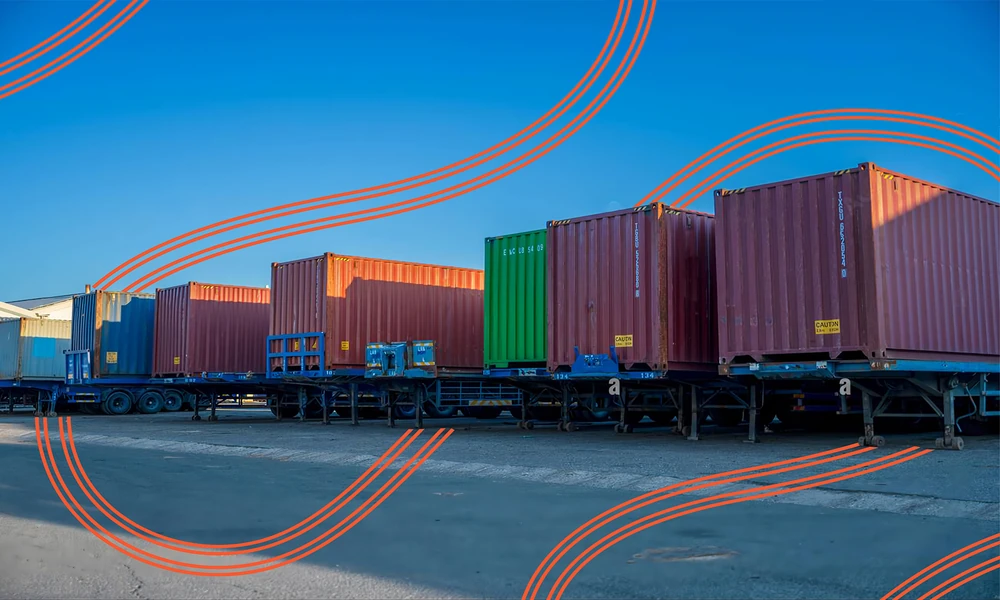
Moving freight efficiently requires more than a reliable transportation network. The equipment used throughout the journey can influence everything from delivery schedules to operating costs. For businesses that depend on containerized cargo, choosing the right transport solutions helps keep goods moving safely and efficiently across multiple locations.
As global supply chains continue to expand, logistics providers are placing greater emphasis on equipment that supports flexibility, speed, and reliability.
Keeping Cargo Moving Across Different Transport Modes
One of the biggest advantages of modern logistics is the ability to transfer cargo between ships, trains, and trucks without repeatedly handling the goods themselves. This process is made possible through the use of an intermodal container, which allows freight to remain inside the same unit throughout its journey.
Because cargo is loaded only once, businesses can reduce the risk of product damage while minimizing labor requirements. This streamlined approach has become a key component of international trade, helping companies move products more efficiently between suppliers, distribution centers, and customers.
The success of intermodal transportation, however, depends heavily on having the right support equipment available at every stage of the journey.
Choosing the Right Chassis for the Job
Container size is one of the primary factors that determines which chassis should be used. For smaller shipments transported in standard 20-foot containers, a 20ft chassis provides a practical and efficient solution. These units are specifically designed to support the container’s dimensions while maintaining stability during road transport.
Larger shipments often require a different setup. In these cases, a 40-foot container chassis is commonly used to accommodate standard 40-foot containers that carry higher cargo volumes. Matching the chassis to the container size helps improve weight distribution and reduces unnecessary operational challenges during loading and transportation.
Using properly sized equipment can also help drivers and logistics teams move containers more efficiently through ports, rail terminals, and warehouse facilities.
Improving Efficiency Throughout the Supply Chain
Every delay in the transportation process has the potential to increase costs. Congested terminals, equipment shortages, and inefficient cargo transfers can all create bottlenecks that affect delivery performance.
Businesses can reduce these risks by investing in equipment that supports faster loading, unloading, and container transfers. When the appropriate chassis is readily available for different container sizes, freight can spend less time waiting and more time moving toward its destination.
Efficient equipment utilization also contributes to better resource management, helping companies maximize fleet productivity while reducing downtime.
Supporting Long-Term Logistics Success
As shipping demands continue to evolve, transportation providers must remain adaptable. Equipment that supports multiple freight scenarios allows businesses to respond more effectively to changing cargo volumes and customer expectations.
Whether moving goods in an intermodal container, transporting smaller loads with a 20ft chassis, or handling larger shipments on a 40-foot container chassis, selecting the right equipment helps create a more reliable and cost-effective logistics operation.
By focusing on efficiency at every stage of the transportation process, businesses can improve supply chain performance while maintaining the flexibility needed to compete in today’s global marketplace.
