

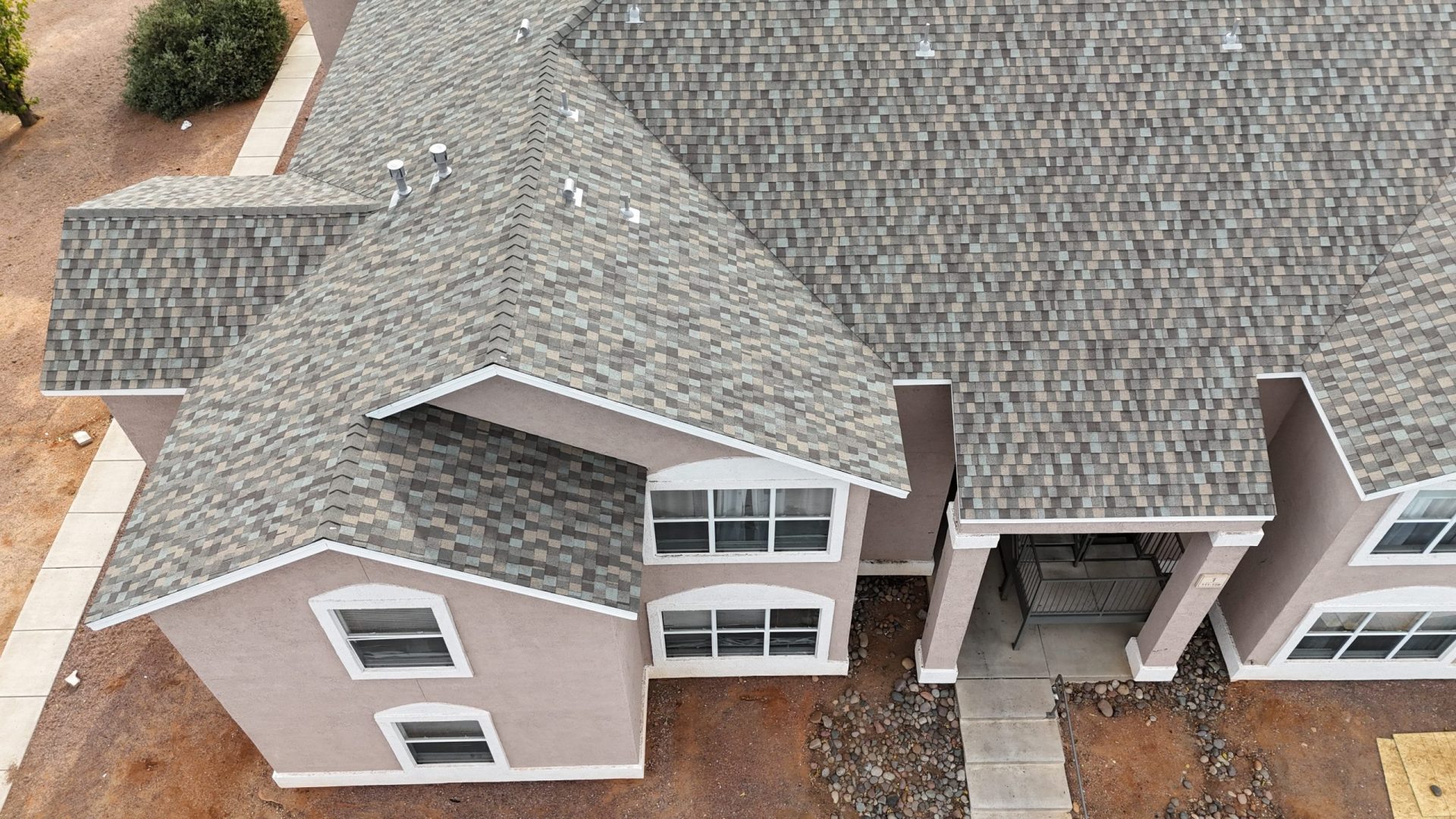
Choosing the right shingle style is an essential step in defining both the look and lasting protection of a home. With a wide range of shapes, textures, and colors available, it can feel overwhelming at first. However, understanding how different shingle options affect durability, aesthetic appeal, and performance can simplify the process and help homeowners in Tucson make a confident decision that enhances curb appeal and long-term value.
When deciding on a shingle style, working with experienced professionals like Shingle roofing contractors in Tucson ensures the right fit for local climate conditions and architectural styles. These experts can guide homeowners through available options, recommend suitable materials based on weather exposure, and explain how each choice affects maintenance and performance.
Understand Your Home’s Architecture
Align Shingles With Structural Design
Each home style calls for a shingle design that supports its architectural details. Clean rooflines pair well with uniform shingle patterns that create a smooth, consistent finish. Homes with decorative trim or varied elevations benefit from dimensional shingles that add texture and visual depth.
Roof pitch also plays a role in style selection. Steeper slopes highlight layered and textured shingles, allowing shadows to enhance definition. Lower slopes often showcase flatter profiles that maintain a streamlined look.
Evaluate Shape, Texture, and Color
Shingle shape and surface texture affect how light interacts with the roof throughout the day. Consider the following options:
- Three-tab shingles: Provide a flat, consistent appearance suited for straightforward roof designs.
- Architectural shingles: Feature layered construction that creates shadow lines and adds dimension.
- Textured shingles: Designed to mimic natural materials while maintaining structural efficiency.
Color selection should coordinate with exterior elements such as siding, stone accents, and trim. Neutral tones create a cohesive look, while deeper shades establish strong visual contrast. Sun exposure may influence how colors appear over time, so reviewing physical samples outdoors provides clarity before installation.
Prioritize Durability and Climate Performance
Account for Heat and Sun Exposure
In warm climates, shingles must withstand prolonged ultraviolet exposure and high surface temperatures. Materials engineered for heat resistance help maintain structural integrity and reduce premature aging. Reflective granules can also assist in managing attic temperatures by limiting heat absorption.
Consider Wind and Storm Resistance
Regions that experience seasonal storms require shingles rated for wind uplift and secure sealing. Reinforced adhesive strips and layered construction contribute to stability during high winds. Reviewing manufacturer specifications ensures the selected style meets local building requirements.
Midway through the decision process, homeowners frequently reconnect with Shingle roofing contractors in Tucson to review material samples and confirm installation methods that align with warranty guidelines. Professional evaluation ensures proper underlayment, flashing placement, and ventilation support the chosen shingle style.
Review Maintenance and Longevity
Each shingle type comes with specific maintenance considerations. Dimensional designs may conceal minor debris accumulation, while flatter styles allow clear visibility during routine inspections. Understanding care requirements helps prevent moisture intrusion and preserves roof performance over time.
Budget planning should reflect both installation costs and projected lifespan. Some shingles include advanced sealant technology that enhances water resistance and structural hold. Evaluating material specifications provides a clear understanding of expected durability.
How Do Professional Roofers in Tucson Ensure Long-Term Shingle Performance?
Professional roofers focus on structural accuracy and system integration rather than surface installation alone. They assess attic ventilation, insulation balance, and drainage pathways to confirm the roofing system functions as a complete unit. Careful alignment of shingles, precise nailing patterns, and correct sealing techniques help prevent shifting, cracking, and water penetration over time.
Licensed crews in Tucson also understand regional permitting requirements and inspection standards. Compliance with local codes protects property value and avoids complications during future sales or insurance claims. Detailed workmanship records and documented installation practices support warranty validity and provide accountability that strengthens long-term roofing reliability.
