

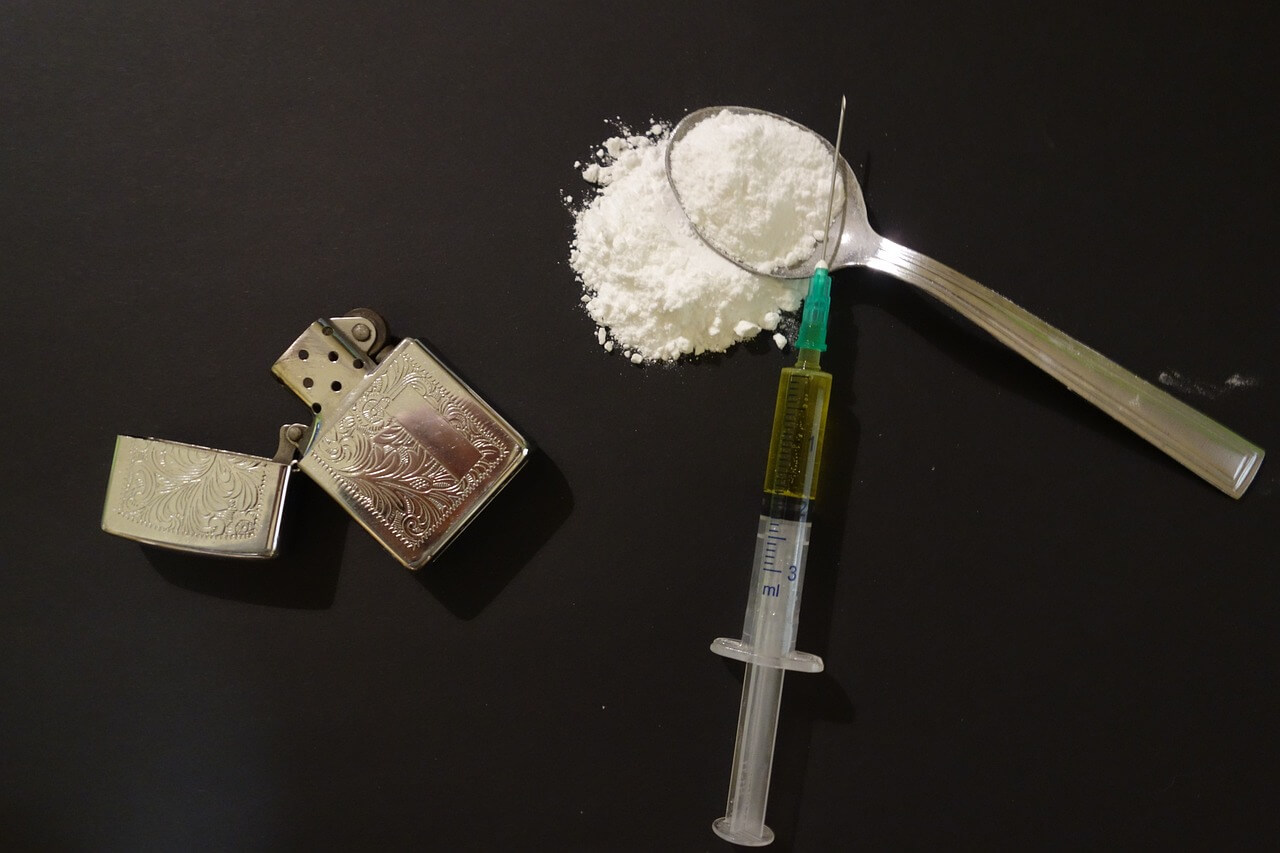
Methamphetamine, often called “meth” or “crystal,” is a potent stimulant whose grip can turn a person’s life upside down. The journey toward healing often begins by selecting the right treatment setting. In the first half of recovery, many find themselves considering a Houston drug rehab to confront the physical, mental, and behavioral challenges posed by meth use. Later, some may transition or compare options in a Dallas drug rehab as they advance toward stability and long-term recovery
The Nature of Meth and Its Effects
Methamphetamine stimulates the central nervous system, triggering surges in dopamine and other neurotransmitters responsible for pleasure and reward. Because its effects include wakefulness, increased energy, diminished appetite, and euphoria, individuals may misuse it to push through demanding work, social pressures, or emotional distress. Over time, however, the frequent high is followed by crashing lows: agitation, depression, insomnia, and intense cravings.
Chronic meth use comes at a steep cost to health. Cardiovascular strain, high blood pressure, arrhythmias, and even strokes may arise. Impaired kidney and liver function, tooth decay (often called “meth mouth”), weight loss, skin sores from repeated picking, and weakened immune response are common consequences. Psychologically, users may experience paranoia, hallucinations, mood instability, cognitive decline, memory loss, and impaired decision-making.
Because meth rapidly induces tolerance, users often escalate doses and frequency, increasing the risk of overdose, psychotic episodes, or severe mental health breakdowns.
Detox and Initial Recovery in Houston Settings
When individuals commit to recovery, a Houston drug rehab facility often becomes the first refuge. Detox is the urgent priority: the body must clear meth’s residues while managing withdrawal safely. In a supervised setting, medical professionals intervene with supportive care, hydration, nutrition, sleep management, and sometimes medications to ease aggressiveness, agitation, insomnia, or mood disturbances. Detox alone does not resolve addiction—it sets the stage for deeper healing.
During detox, psychological stabilization is critical. Many begin therapy sessions even while detoxing—helping them address immediate emotional turmoil, resist impulses, and begin mapping out triggers. Counselors, psychiatric specialists, and support staff monitor for signs of psychosis, suicidal ideation, severe depression, or unstable vitals. These early interventions help anchor the person in safety and hope.
As detox winds down, therapy intensifies. Cognitive interventions teach how thought patterns fuel cravings, while behavioral strategies reframe daily routines and identify high-risk situations. Emotional regulation skills—managing distress, stress, and negative impulses—are reinforced. Some people benefit from dual diagnosis care, since it’s common for meth users to wrestle with co-occurring depression, anxiety, PTSD, or bipolar disorder.
Peer support is woven through treatment. Group sessions foster shared stories, accountability, and encouragement. Family involvement, when feasible, helps repair relationships strained or broken under addiction’s weight. A Houston facility often integrates aftercare planning early—outlining outpatient therapy, peer groups, and relapse prevention strategies before discharge.
Advancing Recovery Through Dallas Programs
As the journey progresses, many look to a Dallas drug rehab for further treatment or continuation. In Dallas settings, the focus shifts from detox stabilization to consolidation and growth. Therapies deepen: trauma-informed methods, expressive arts therapies, experiential work, motivational enhancement, and specialized relapse prevention are integral. The environment emphasizes consistency, structure, and ongoing accountability.
Dallas programs often offer extended residential or partial hospitalization phases, where individuals gradually regain life skills, social balance, and routines without substance reliance. Supportive services such as vocational training, educational reentry, life coaching, and wellness programs (nutrition, exercise, mindfulness) are woven into the recovery tapestry.
Relapse prevention is central: participants learn to foresee challenging scenarios—stress, loneliness, social pressure—and build coping responses before temptation emerges. They cultivate sober networks, engage in peer communities, develop healthy habits, and embed strategies to intercept slips before full relapse.
Aftercare planning holds critical importance in Dallas rehabs. Transitioning out of residential care is managed through outpatient supports, alumni groups, continued therapy, and periodic check-ins. Emphasis lies on sustained engagement, support consistency, and early intervention if old patterns resurface.
