

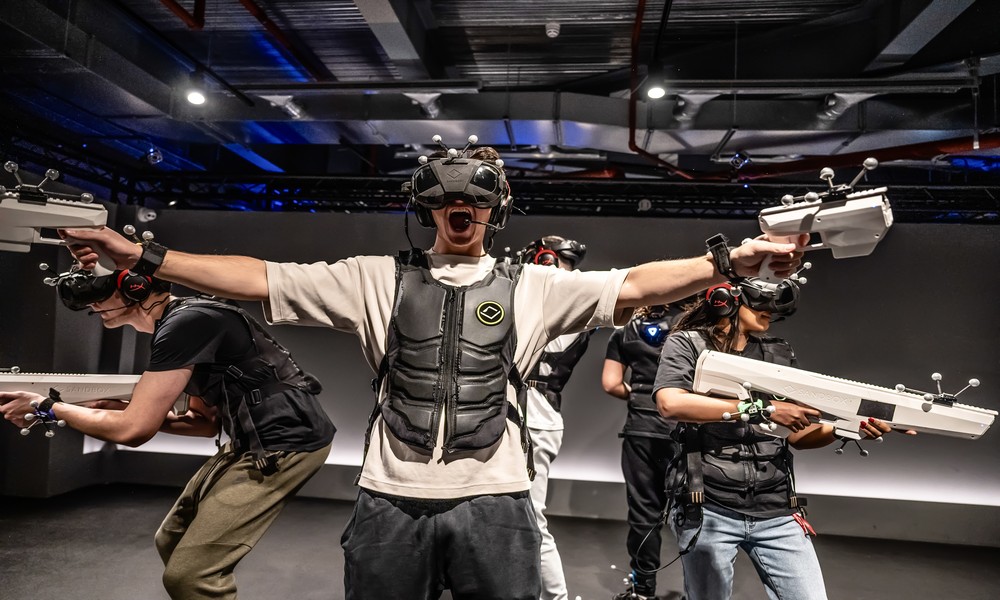
Interactive technology is changing how people enjoy visual content through engaging simulated spaces. Discovering immersive experiences with vr Alexandria for modern entertainment explains how this system makes realistic environments that respond to user actions. These solutions support new ways of enjoying media, learning skills, and appealing with creative content. Combining motion tracking with receptive visuals, it offers smooth performance across various applications. This approach helps users enjoy more engaging activities without traditional limitations during use.
Understanding virtual reality basic concepts
Virtual reality systems create simulated environments, allow users to interact through movement while displaying responsive visuals, which improves engagement levels across activities requiring deeper focus within controlled digital spaces designed for user interaction today.
Role of motion tracking systems
Motion tracking captures user movements accurately, translates actions into virtual responses, which creates a natural interaction flow that improves control while maintaining alignment between physical actions and system feedback across different usage scenarios today.
Features users commonly prefer
Simple controls help users engage quickly within virtual setups.
• Clear visuals improve understanding during sessions across interactive platforms, which support smooth viewing without confusion or distraction from unclear system display outputs
• Accurate motion tracking ensures actions match system response, which helps maintain control across interactive environments during continuous usage sessions
• Easy setup reduces effort, which allows users to start sessions quickly across systems built for convenient operation
Benefits of immersive entertainment platforms
These platforms increase engagement and support creative exploration while providing controlled environments, which help users enjoy varied activities across interactive setups that encourage participation through responsive design elements built for modern usage expectations.
System performance and stability factors
Stable systems reduce lag, maintain smooth interaction while ensuring consistent response, which supports better engagement across setups that depend on reliable performance during extended sessions involving continuous user movement and system feedback cycles.
Accessibility and ease of adoption
User-friendly design supports quick setup, allows simple operation while reducing learning effort, which helps individuals access features easily across platforms built to encourage wider adoption through simplified controls and guided interaction methods.
Maintenance needs and system care
Regular checks improve system life, prevent technical issues, and ensure consistent output, which supports stable performance across setups that require proper handling during ongoing use within interactive environments designed for continuous engagement activities.
Social interaction within virtual spaces
Users connect through shared environments, interact in real time while maintaining presence, which supports communication across platforms designed for collaborative engagement through synchronized interaction features within controlled virtual settings.
Tips for better user engagement
Smart usage habits improve interaction across virtual setups.
• Follow guidelines carefully to ensure safe movement across interactive spaces that support controlled activity during system usage sessions
• Take breaks regularly to maintain focus, which helps improve engagement across longer usage periods within simulated environments
• Adjust settings properly for comfort, which supports smoother interaction across systems designed for personalized usage needs
Modern interactive systems provide new ways to engage with content, improve participation, and support creative use across evolving platforms. Choosing vr Alexandria ensures reliable interaction through responsive design, stable performance, and user-friendly features that enhance overall engagement within controlled virtual environments.
FAQs
What is a virtual reality system used for?
Virtual systems create simulated environments, allowing users to interact through movement while experiencing responsive visuals within controlled digital spaces for engagement.
How does motion tracking improve interaction?
Motion tracking captures movement and converts actions into system responses, which ensures accurate control and smooth interaction across virtual platforms during usage.
Is virtual reality safe for users?
Following safety steps, maintaining a clear space, and taking breaks ensure safe usage while reducing discomfort during sessions across controlled environments
What makes systems easy to use?
Simple controls, guided setup, and responsive design improve usability, which helps users access features easily across platforms built for smooth interaction.
