

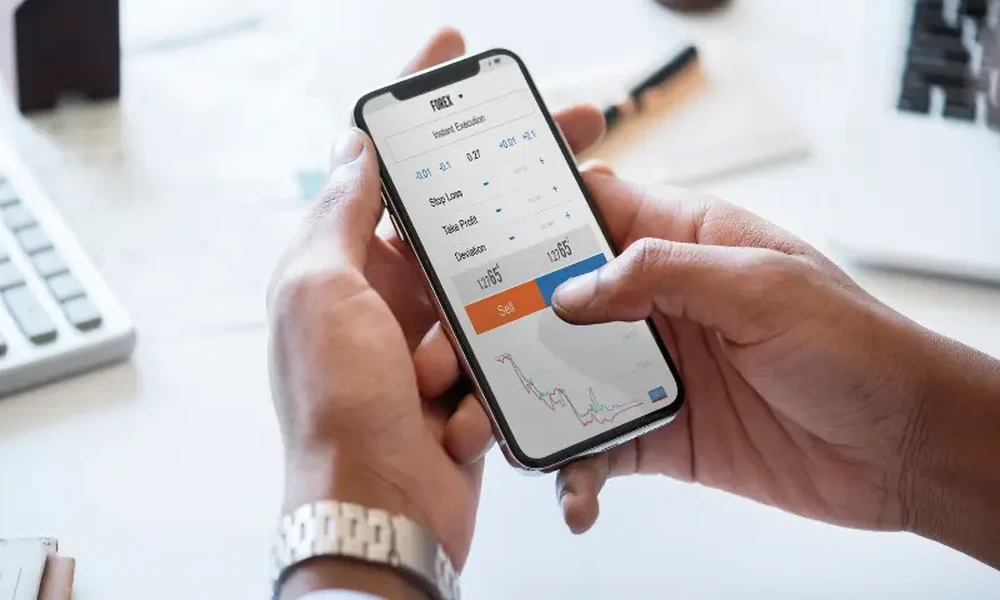
Finding the Demat Account Best App is not only about choosing the platform with the lowest charges or the most features. Investors should also consider usability, account security, supported investment products, portfolio visibility and the overall experience of managing investments digitally.
A Demat app acts as an important access point for holding and monitoring eligible securities in electronic form. For beginners and experienced investors alike, the right platform should make routine tasks easier without making investment decisions unnecessarily complicated.
Start With the Purpose of the Account
Before comparing apps, investors should be clear about what they actually need from a Demat account.
Some users may primarily want to invest in shares for the long term, while others may also want access to ETFs, bonds or other eligible products. Someone who trades frequently may value execution tools, while a long-term investor may prioritise portfolio tracking and simple account management.
The best choice therefore depends on the investor’s own usage pattern.
Check Whether the Interface Is Easy to Understand
A feature-rich app is not necessarily useful if basic functions are difficult to find.
Important sections such as holdings, orders, funds, account statements and watchlists should be clearly organised.
For beginners, a straightforward interface can reduce confusion while learning how digital investing works.
A simple app structure can also make routine portfolio monitoring faster.
Look at the Full Cost Structure
Investors should avoid comparing platforms only on the basis of account-opening charges.
Other possible costs may include:
- Annual maintenance charges
- Brokerage
- Depository participant charges
- Transaction-related fees
- Statutory charges
- Other service-specific costs
A platform that appears inexpensive initially may become more costly depending on transaction frequency.
Reviewing the complete fee schedule provides a more realistic comparison.
Understand the Difference Between Demat and Trading Functions
A Demat account primarily holds eligible securities electronically, while the trading account is generally used to place market orders.
Many modern platforms combine both functions within the same interface.
This can make the investing process feel seamless, but users should still understand what each account does.
When shares are bought for delivery, the order is placed through the trading system and the securities are generally credited to the Demat account after settlement.
Account Security Should Be a Priority
Financial platforms handle sensitive personal and financial information.
Investors should look for security features such as:
- Secure login mechanisms
- Available authentication controls
- Transaction alerts
- Device verification
- Official communication channels
- Regular security updates
Users should also protect their own accounts by never sharing passwords, PINs or OTPs.
A low-cost app is not useful if the user ignores basic account-security practices.
Portfolio Visibility Can Improve Decision-Making
A good Demat app should make it easy to understand what the investor currently holds.
Useful portfolio information may include:
- Security name
- Quantity held
- Average purchase information
- Current market value
- Transaction history
- Overall portfolio allocation
This visibility can help users identify whether too much money is concentrated in one stock or sector.
Research Features Can Support Better Preparation
Some Demat apps provide additional tools such as charts, market news, company information or research content.
These tools can help users study opportunities, but they should not be treated as guaranteed recommendations.
Investors should combine available research with their own goals, risk tolerance and investment horizon.
A feature should support the decision-making process rather than replace it.
Consider More Than Direct Equity Investing
Investors may want to manage more than shares through one platform. Access to products such as Mutual Funds can be useful for people who want to combine individually selected securities with diversified investment schemes.
Mutual funds and direct equities serve different purposes, so the availability of both can help investors organise different parts of their portfolio.
The important point is to understand each product separately rather than assuming all investments carry the same level of risk.
Check the Range of Supported Investment Products
Different platforms may provide access to different market instruments.
Depending on the provider, investors may be able to access:
- Equity shares
- ETFs
- Mutual funds
- Bonds
- Government securities
- Initial public offerings
- Other eligible securities
A broader product range may be useful, but investors should not select products simply because they are available.
The investment should still match the user’s financial objective.
Order Features Matter for Active Users
Investors who place transactions frequently may care more about order functionality.
The app may support different order types, price alerts and market information.
Users should understand how each order works before using it.
A limit order, for example, behaves differently from a market order.
Understanding execution conditions can help prevent unintended transactions.
Customer Support Is Easy to Ignore Until It Is Needed
Support quality can become important when investors face account, transaction or technical issues.
- Available support channels
- Help centre resources
- Complaint escalation procedures
- Account-service options
- Response availability
A reliable support process can make account management easier when something goes wrong.
Account Statements Should Be Easy to Access
Investors should periodically review their account statements and transaction records.
A good app should make important records accessible without requiring unnecessary steps.
Statements can help users verify:
- Securities held
- Transactions completed
- Account-related charges
- Corporate action adjustments
- Other account activity
Regular review can also help identify unfamiliar activity quickly.
Nomination and Profile Management Matter
Account administration is not limited to buying and selling securities.
Investors may also need to update personal details, bank information or nominee information over time.
A platform that provides clear account-service options can make these tasks easier.
Users should follow official procedures whenever changing sensitive details.
Avoid Choosing an App Only for Promotional Offers
Temporary incentives can attract users, but they should not be the main basis for selecting a long-term financial platform.
A promotional benefit may expire, while account usability and charges may continue for years.
Investors should therefore compare long-term factors such as:
- Ongoing cost
- Platform reliability
- Security
- Product availability
- Support
- Account management features
These are more relevant for sustained use.
Beginners Can Compare Apps Using a Simple Checklist
A practical comparison may focus on six key areas:
1. Ease of Use
Can a new user find holdings, orders and account information easily?
2. Charges
Are the complete account and transaction costs clearly explained?
3. Security
Does the platform offer appropriate account-protection features?
4. Product Access
Does it support the investments the user actually wants?
5. Portfolio Tools
Can holdings and transactions be reviewed conveniently?
6. Support
Is assistance available when account-related issues arise?
This approach can make platform comparison more structured.
Do Not Confuse Convenience With Investment Quality
A well-designed app can make investing easier, but it cannot determine whether a particular investment will perform well.
The user still needs to evaluate:
- Business fundamentals
- Market risk
- Diversification
- Time horizon
- Financial goals
The app is the infrastructure used to manage investments, not a guarantee of investment success.
Review the Platform Periodically
The app that suits an investor today may not remain the ideal choice forever.
Requirements can change as portfolio size, investment knowledge and trading frequency evolve.
Periodic review can help users determine whether:
- Costs remain competitive
- Features are still useful
- Security options remain adequate
- The platform supports current investment needs
Changing platforms should still be based on practical reasons rather than short-term promotions.
Conclusion
Choosing the Demat Account Best App requires looking beyond a single feature or promotional offer. Investors should compare cost, security, usability, investment product access, portfolio tracking and customer support before deciding which platform suits their needs.
A reliable Demat Account App can make it easier to hold eligible securities, review transactions and manage investments digitally. The most suitable option is generally the one that supports the investor’s actual requirements while keeping account management clear and secure.
FAQs
What Is the Demat Account Best App?
The Demat Account Best App is one that matches the user’s needs for security, cost, usability, investment access and portfolio management.
Can Beginners Use a Demat Account App?
Yes, beginners can use a Demat app, but they should first understand account structure, charges and basic investing concepts.
Are Demat Account Apps Free to Use?
Some may have zero account-opening charges, but maintenance, brokerage or transaction-related fees can still apply.
Can I Invest in Mutual Funds Through a Demat App?
Some platforms support mutual fund investments alongside shares and other eligible investment products.
What Should I Check Before Choosing a Demat App?
Check charges, security features, supported products, portfolio tools, usability and customer support.
