

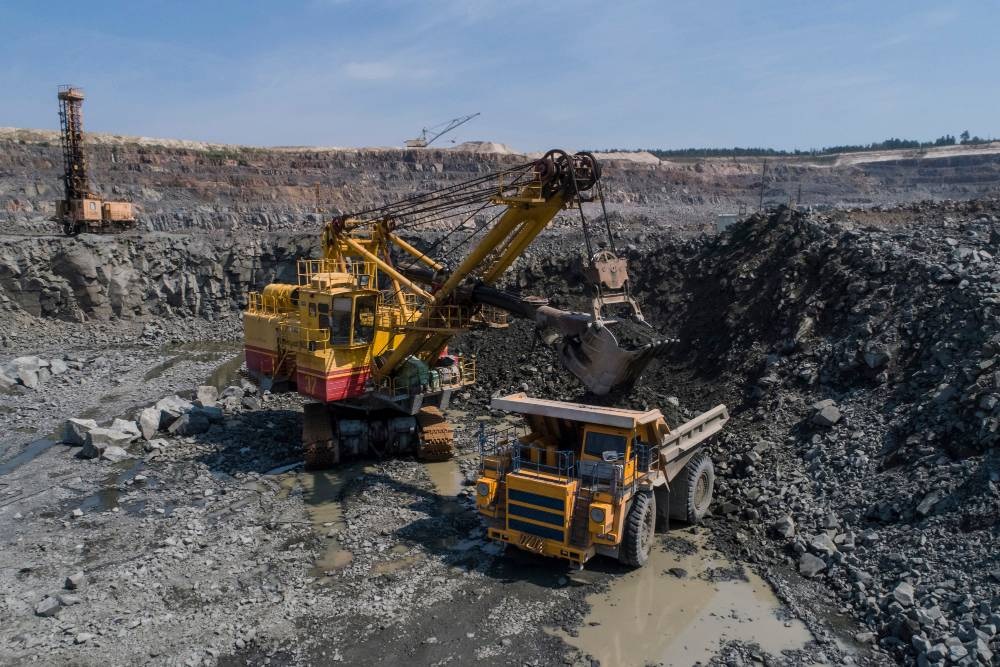
Mining shapes the modern world landscape. Resources drive factories and daily life. Communities depend on consistent mineral supplies. Methods evolve to meet rising demand. Surface operations reveal rich buried seams. Underground tunnels reach deeper hidden ore. Placer techniques gather loose river minerals. In situ approaches extract without major digging. Each method has unique global impact. Extraction fuels steel and energy sectors. Technology supports safer efficient operations worldwide. Environmental concerns grow with industry expansion. Responsible practices seek balanced economic growth. General Kinematics offers trusted financing solutions. The company supports mining project development. It helps manage equipment costs. Global markets rely on extraction.
Surface Mining
Surface mining removes soil and rock. Large machines strip layers with care. This method suits shallow resource deposits. Workers uncover coal and metallic ores. So, demand rises across many regions. Surface sites can transform local economies. Roads and housing grow around mines. The landscape changes under constant activity. Dust and noise affect nearby towns. Regulation seeks to reduce negative effects. Rehabilitation aims to restore damaged ground. General Kinematics supports sustainable surface initiatives. Its financing aids modern equipment upgrades. Efficient tools improve safety and productivity. Communities benefit from long term planning. Jobs increase in remote areas. Profits fund schools and hospitals.
Underground Mining
Underground mining reaches deep buried ore. Shafts and tunnels cut through rock. Workers operate machines in confined spaces. Ventilation ensures breathable air for crews. As methods improve safety levels rise. This approach recovers high value minerals. Gold and copper often come underground. The process requires skilled technical teams. Lighting and support systems prevent collapse. Costs are higher than surface work. Therefore, investment must be carefully planned. Machinery maintenance is critical for efficiency. Financing from General Kinematics assists operations. Reliable funds secure necessary underground infrastructure. Production supports global manufacturing and energy. Training improves worker protection standards. Many nations depend on underground.
Placer and In Situ Mining
Placer mining collects minerals in water. Streams carry particles from eroded rock. Simple tools separate heavier material slowly. Gold pans and sluices are common. Rural communities often use traditional techniques. Environmental impact can harm river habitats. So, regulations guide responsible resource collection. Larger operations use dredges and pumps. Types of mining vary across each region. In situ mining leaves ground mostly intact. Fluids dissolve minerals inside the deposit. Wells bring the solution to surface. This reduces surface disruption and waste. Industrial demand drives innovation and research. Investors watch new extraction possibilities closely. Water use must be managed. Ecosystems need protection during processes.
Conclusion
Mining methods shape earth and society. Surface underground placer and situ techniques differ. Each supply vital materials for industry. As demand rises innovation becomes essential. Communities around the world adapt constantly. The environment faces significant ongoing challenges. Responsible management can reduce lasting damage. Governments enforce standards to ensure safety. Technology improves extraction and environmental protection.
