

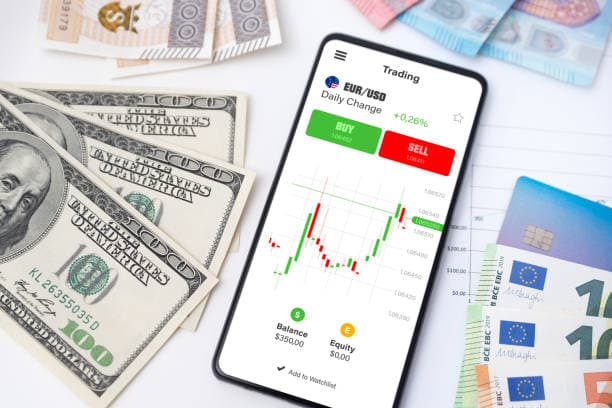
It’s easy to get swept up in the excitement and adrenaline rush that comes with making trades on a global scale. But amidst the thrills, it’s crucial to maintain a clear and objective perspective on your trading performance. This is where key metrics come into play, offering a tangible way to evaluate your success in the Live Trading arena and navigate the complexities of the Global Market.
Setting the Stage for Success
Embarking on the journey of online trading can be both exhilarating and daunting. With countless variables at play, it’s essential to have a solid foundation to build upon. This starts with understanding the key metrics that define your trading performance. Live Trading and Global Market dynamics are two critical components that shape these metrics. By focusing on these elements, you can develop a robust strategy that not only withstands market fluctuations but also capitalizes on opportunities.
The Power of Live Trading
Live Trading is the heartbeat of the financial markets. It’s where real-time decisions are made, and fortunes can be won or lost in the blink of an eye. To thrive in this fast-paced environment, it’s imperative to have a deep understanding of the metrics that drive success. These metrics include factors such as trade frequency, win/loss ratio, and risk management. By closely monitoring these indicators, you can fine-tune your trading approach and make more informed decisions.
Navigating the Global Market
The Global Market is a vast and intricate network of financial exchanges, each with its own unique characteristics and idiosyncrasies. To navigate this landscape effectively, it’s crucial to have a comprehensive understanding of the metrics that define your performance within this context. This includes factors such as market liquidity, economic indicators, and geopolitical events. By staying attuned to these metrics, you can anticipate market movements and adjust your trading strategy accordingly.
Measuring Trade Frequency
One of the key metrics to evaluate your Live Trading (In Arabic, it is called “تداول مباشر“) performance is trade frequency. This refers to the number of trades you execute within a given time frame. A high trade frequency can indicate a proactive trading approach, but it’s essential to balance this with the quality of each trade. Frequent trading can lead to higher transaction costs and increased risk exposure if not managed properly. Therefore, it’s crucial to strike a balance between trade frequency and the potential return on each trade.
Assessing Win/Loss Ratio
Your win/loss ratio is a critical metric that speaks volumes about your trading acumen. It’s the ratio of profitable trades to losing trades over a specific period. A high win/loss ratio is desirable, but it’s equally important to consider the magnitude of wins versus losses. A trader with a 60% win rate but small profits on each win, for example, may not be as successful as a trader with a 50% win rate but larger profits on each win. This metric, when combined with others, provides a more holistic view of your trading performance.
Mastering Risk Management
Risk management is the backbone of any successful trading strategy. It involves setting limits on potential losses and ensuring that your trading activities are sustainable over the long term. In the context of Live Trading, this can mean setting stop-loss orders to automatically close positions when they reach a certain loss threshold. It also involves diversifying your portfolio to spread risk across different assets. By effectively managing risk, you can protect your capital and enhance your chances of long-term success in the Global Market.
Understanding Market Liquidity
Market liquidity is a crucial metric when evaluating your performance in the Global Market. It refers to the ease with which assets can be bought or sold without affecting their price. High liquidity typically indicates a more stable and efficient market, which can be beneficial for traders. However, low liquidity can lead to price volatility and make it more challenging to execute trades at desired prices. Understanding market liquidity can help you make better decisions about when and how to enter or exit positions.
Interpreting Economic Indicators
Economic indicators play a significant role in shaping the Global Market (In Arabic, it is called “البورصة العالمية مباشر“). These metrics provide insights into the health of an economy and can influence market sentiment and asset prices. By closely monitoring economic indicators such as GDP growth, inflation rates, and employment figures, you can anticipate potential shifts in market trends and adjust your trading strategy to capitalize on these changes.
Considering Geopolitical Events
Geopolitical events can have a profound impact on the Global Market. Events such as elections, trade disputes, and military conflicts can create uncertainty and volatility in financial markets. As a trader, it’s essential to stay informed about these events and consider their potential implications for your trading strategy. By doing so, you can make more informed decisions and potentially mitigate the risks associated with geopolitical uncertainty.
The Importance of Consistent Monitoring
Consistent monitoring of your trading performance is essential for success in Live Trading and navigating the Global Market. This involves regularly reviewing your key metrics and adjusting your strategy as needed. By staying vigilant and responsive to market changes, you can adapt your approach and capitalize on new opportunities.
Adopting a Data-Driven Approach
In today’s data-driven world, having access to accurate and timely data is crucial for evaluating your trading performance. By leveraging advanced analytics and data visualization tools, you can gain deeper insights into your trading activities and make more informed decisions. This data-driven approach can help you identify patterns, trends, and potential areas for improvement in your trading strategy.
The Role of Emotional Intelligence
While metrics and data are essential, emotional intelligence plays a significant role in trading success. It involves managing your emotions and maintaining a disciplined approach to trading, even in the face of market volatility. By developing your emotional intelligence, you can avoid common pitfalls such as overtrading or making impulsive decisions based on fear or greed.
Building a Supportive Network
Lastly, building a supportive network of fellow traders, mentors, and industry professionals can be invaluable in evaluating your online trading performance. This network can provide you with valuable insights, advice, and encouragement as you navigate the challenges of Live Trading and the Global Market. By leveraging the collective wisdom of your network, you can enhance your trading skills and improve your overall performance.
In conclusion, evaluating your online trading performance objectively requires a multifaceted approach that encompasses key metrics, a deep understanding of Live Trading and Global Market dynamics, and a commitment to continuous improvement. By focusing on these elements and embracing a data-driven, emotionally intelligent, and collaborative mindset, you can enhance your trading performance and achieve success in the ever-evolving world of online trading.
